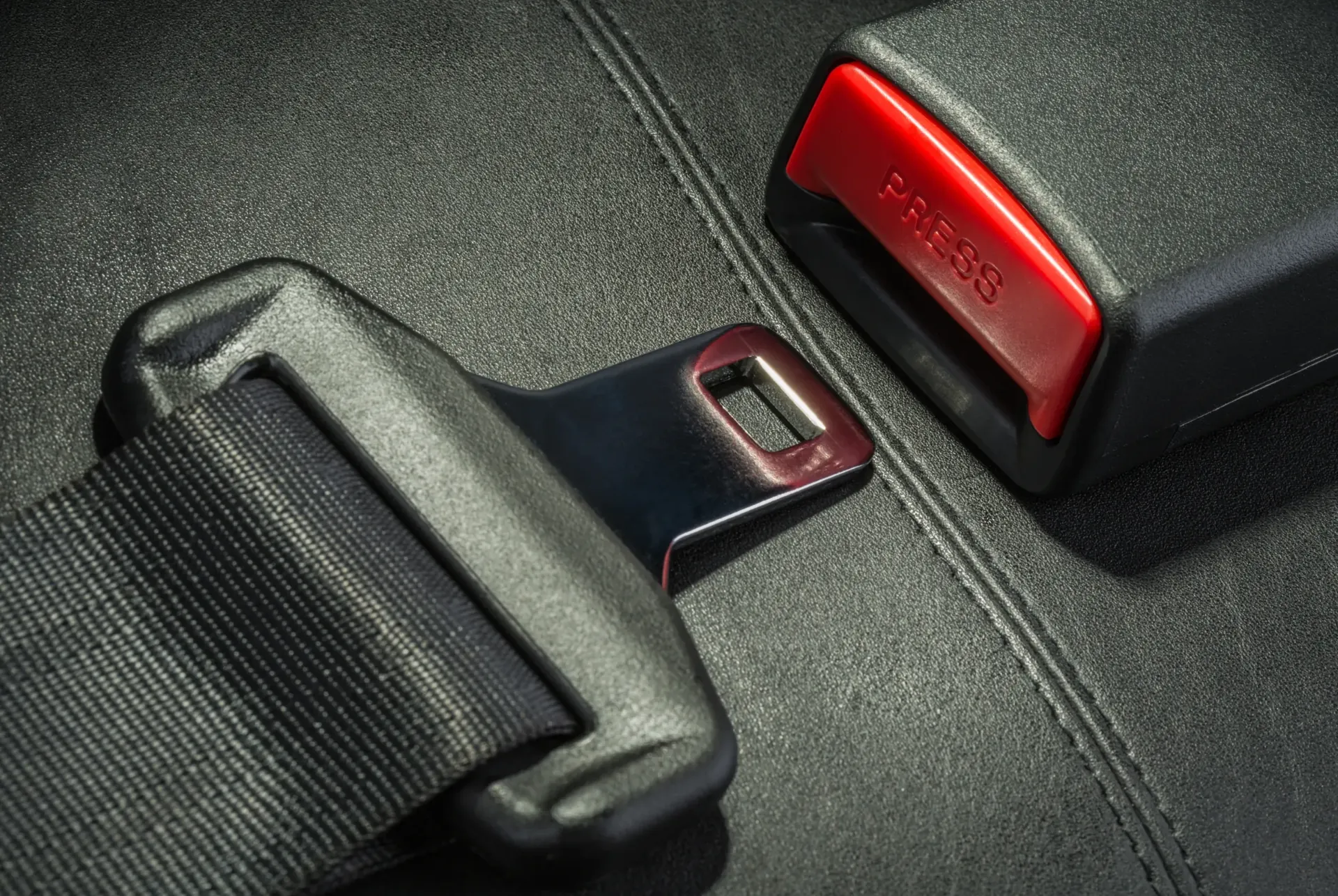
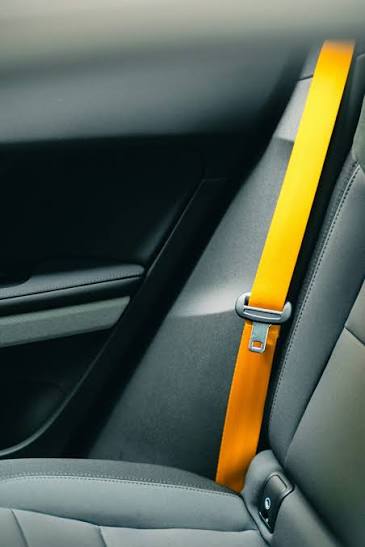
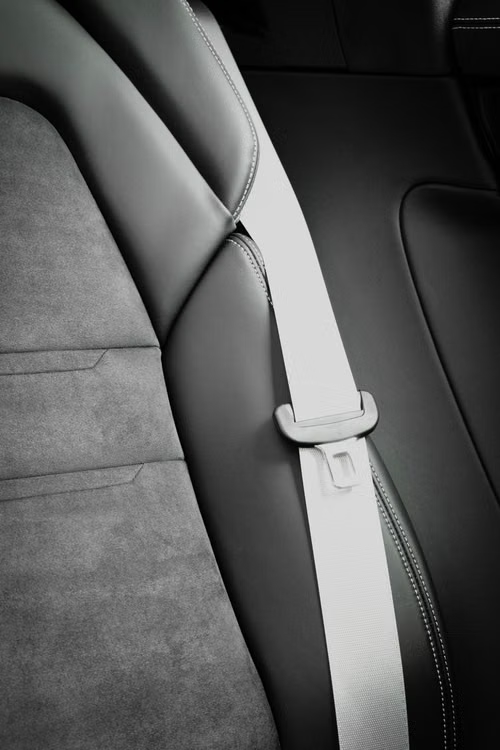
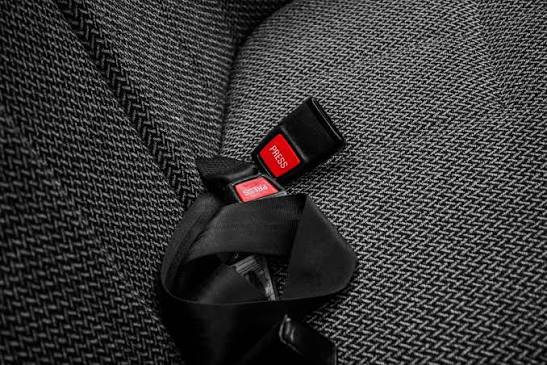
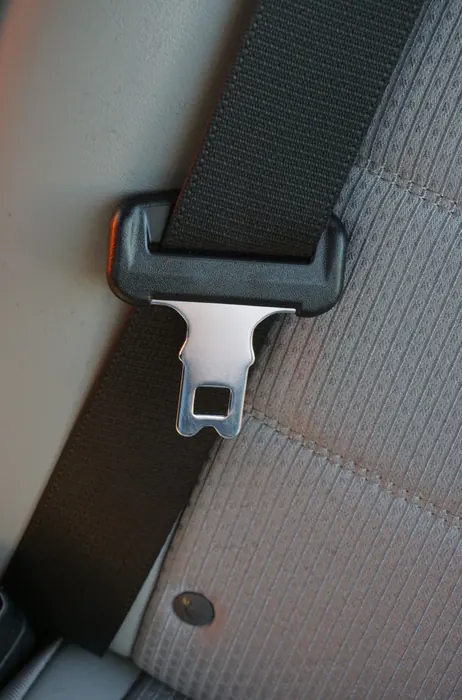
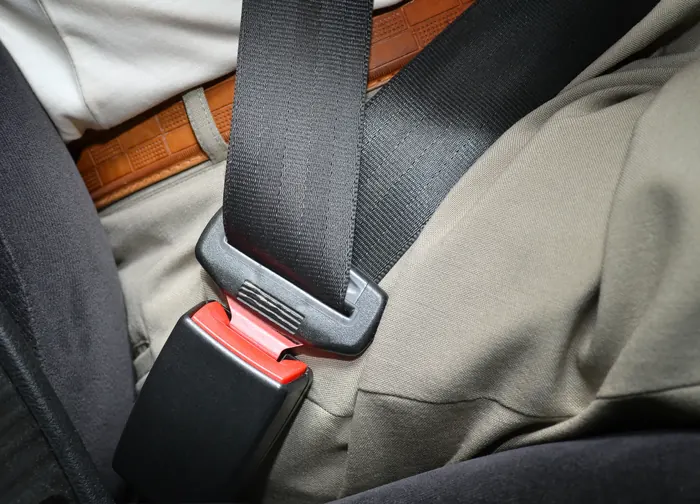
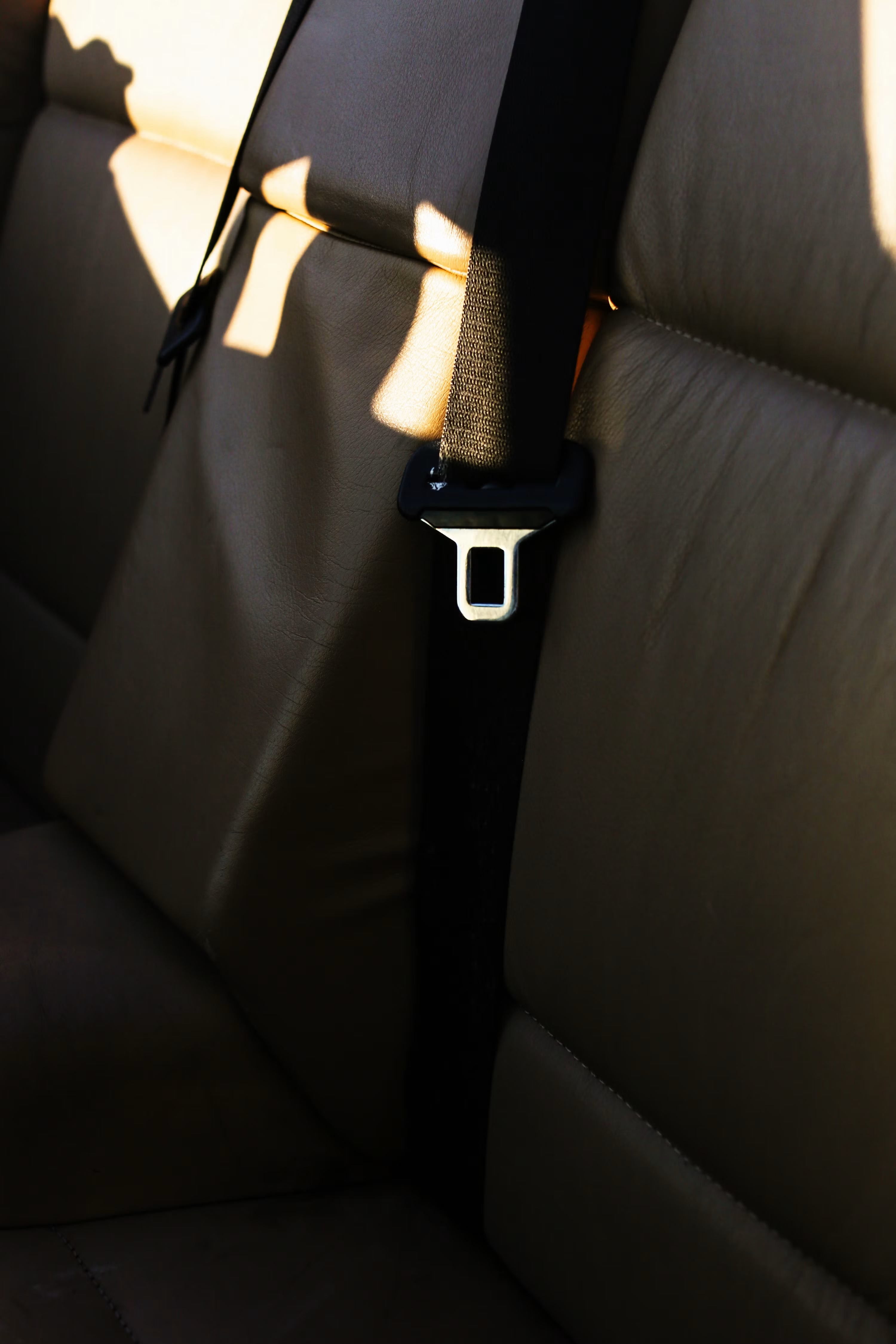
Visual similarity is the least reliable way to select a safety component. A belt that matches in colour and webbing width may still differ in the details that decide whether it can be correctly installed and used in a particular vehicle.
That is the work an importer and sourcing specialist actually does — narrowing a broad category down to a component that suits the application in front of you, and being clear about what is known and what still needs to be confirmed.
- a
Vehicle and application identificationThe make, model, model year, body type and the exact seating position a component is intended for.
- b
Component compatibilityWhether the part is designed to work with the surrounding hardware already fitted to the vehicle.
- c
Mounting configurationHow and where the component anchors, and the orientation the arrangement requires.
- d
Buckle and tongue compatibilityA tongue plate and a receiver are a matched pair; a visually close substitute is not automatically an equivalent one.
- e
Retractor characteristicsWhere a retractor forms part of the requirement, its type and behaviour need to be established rather than assumed.
- f
Dimensions and conditionRelevant measurements, along with the condition and completeness of what is being supplied or replaced.
- g
Documentation and buyer requirementsAny paperwork, records or internal standards the buyer needs the transaction to satisfy.
Read how selection works →